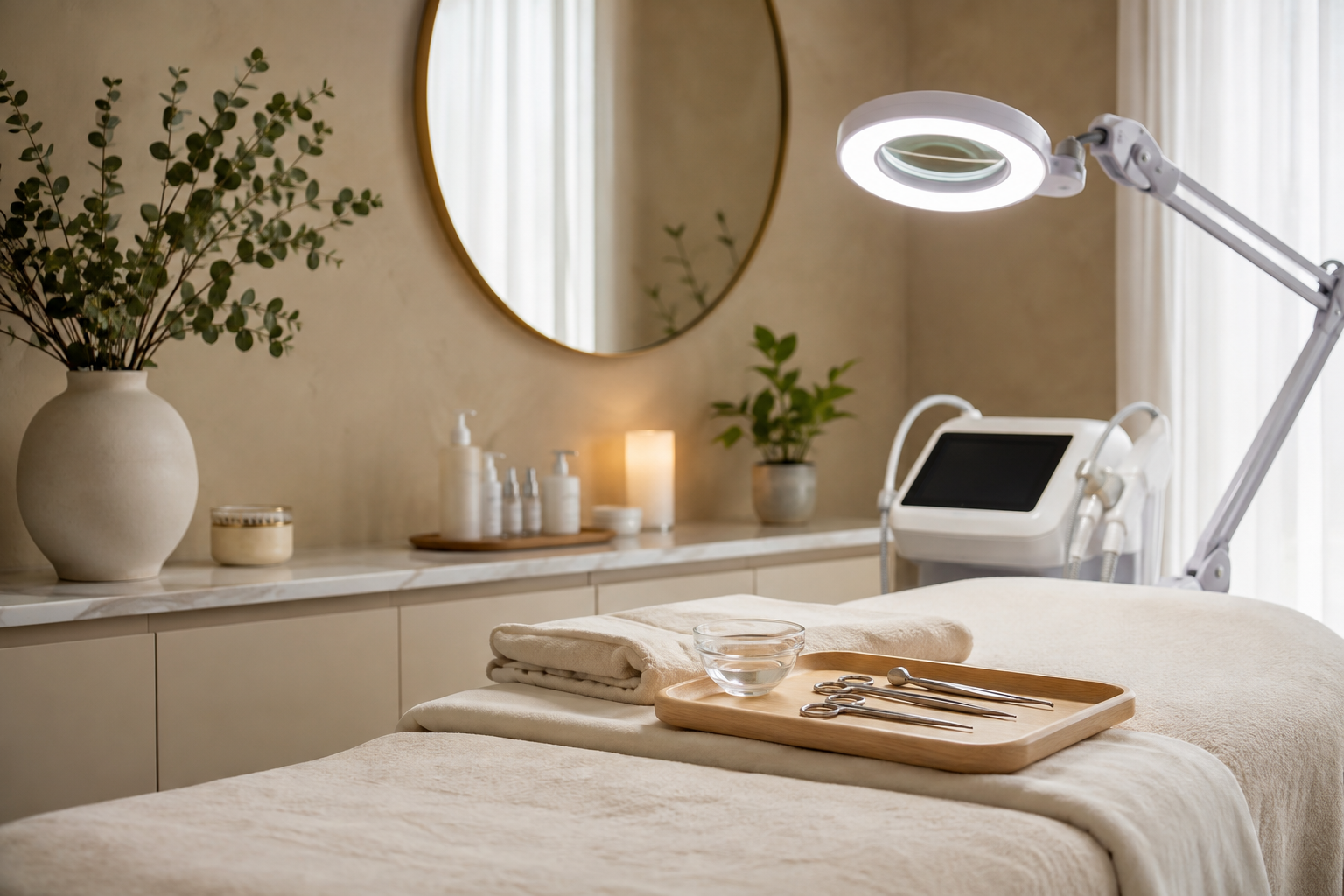
Moles are common skin growths that can appear on the face or body. While many moles are harmless, some people choose to remove them because of their appearance, location, irritation, or personal preference. If you are considering Mole Removal Treatment in Hadapsar, understanding what happens before, during, and after the procedure can help you feel more comfortable and prepared. A professional approach focuses on proper assessment, selecting a suitable removal technique, maintaining hygiene, and supporting healthy skin recovery.
What Is Mole Removal?
Mole removal is a cosmetic or medical procedure used to eliminate unwanted moles from the skin. The appropriate technique depends on factors such as the mole’s size, depth, location, appearance, and skin characteristics.
Professional evaluation is important because not every mole should be removed in the same way. A qualified skin-care professional can examine the mole and determine whether removal is appropriate and which technique may provide the most suitable outcome.
For people seeking Facial mole removal, careful planning is particularly important because facial skin is highly visible and may require a technique selected with appearance and healing in mind.
Why Do People Choose to Remove Moles?
There are several reasons why someone may consider professional mole removal. Common reasons include:
- The mole affects facial or body appearance.
- It is located in an area that frequently experiences friction.
- The mole catches on clothing, jewellery, or accessories.
- It causes occasional irritation.
- A person simply prefers smoother-looking skin.
- The mole has changed and requires professional assessment.
A mole on a prominent area of the face can sometimes become a cosmetic concern. In such situations, Facial mole removal may be considered after an appropriate assessment of the skin.
What Happens During the Initial Consultation?
The first step of a professional mole removal procedure is usually a consultation. During this appointment, the skin professional examines the mole and considers its characteristics.
The consultation may involve assessing:
- Size and shape of the mole
- Colour and surface appearance
- Location on the skin
- Whether it is raised or flat
- Changes noticed over time
- Surrounding skin condition
- Your cosmetic expectations
You may also be asked about previous skin procedures, allergies, medications, or other relevant factors.
This evaluation helps the professional decide whether the mole is suitable for removal and which approach may be appropriate.
Which Mole Removal Techniques May Be Used?
Different techniques may be considered depending on the individual mole. Common professional approaches include methods that remove the mole from the skin surface or techniques designed to treat specific types of raised or unwanted growths.
The selected method can depend on the mole’s characteristics and its location. A professional will explain the recommended procedure, expected recovery, and possible skin changes before treatment.
It is important not to attempt mole removal at home using cutting tools, chemicals, or unverified products. Such methods can increase the risk of infection, bleeding, scarring, or improper healing.
What Should You Expect During the Procedure?
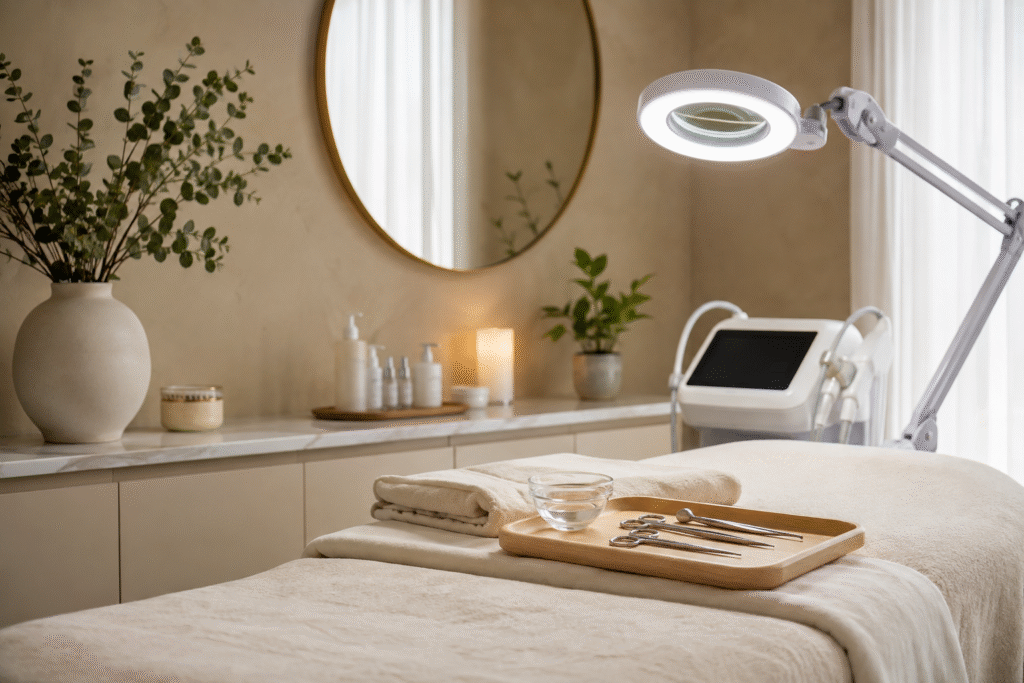
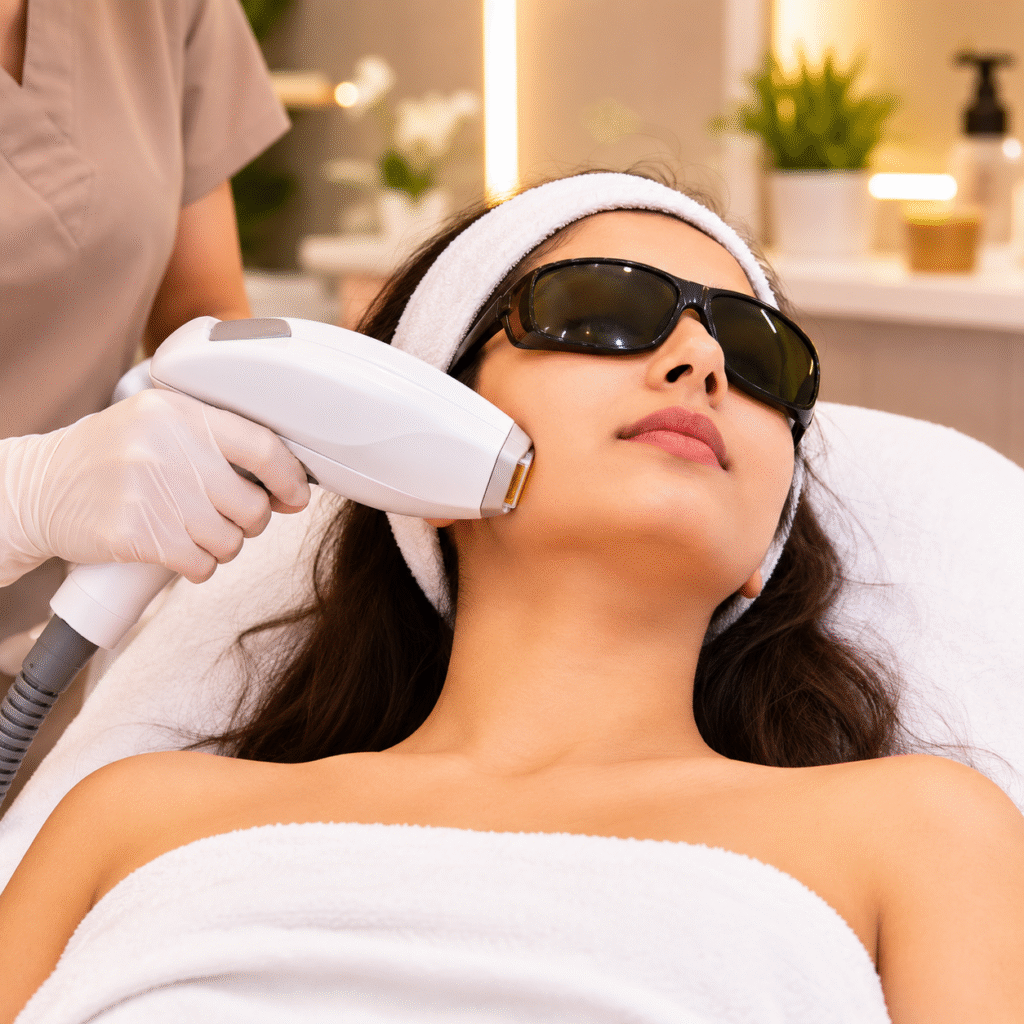
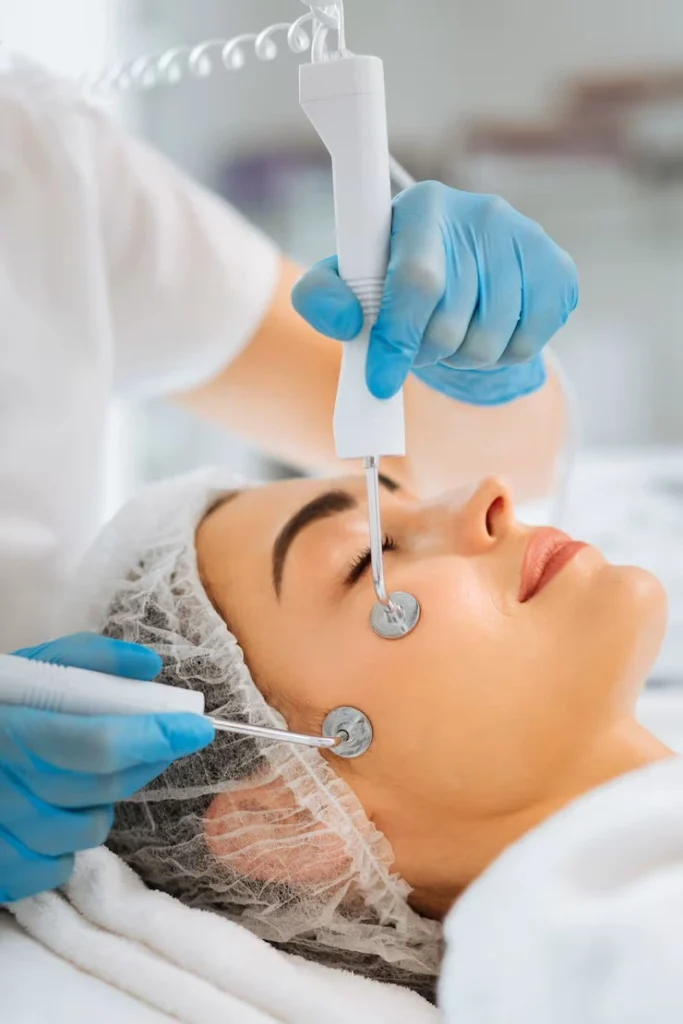
Once the appropriate treatment method has been selected, the treatment area is prepared carefully. The professional may clean the skin and use appropriate measures to keep the procedure comfortable.
Depending on the technique, local anaesthesia or another method of numbing may be used to reduce discomfort.
The actual procedure may be relatively quick, although the duration varies according to the mole and treatment method. During the appointment, the professional focuses on removing the unwanted growth while taking care of the surrounding skin.
For Facial mole removal, additional attention may be given to the treatment area because facial skin is exposed and visible. Following professional instructions before and after the procedure can support a smoother recovery.
What Is Recovery Like After Mole Removal?
Recovery varies from person to person and depends on the treatment technique, mole size, and location.
After the procedure, you may experience temporary:
- Redness
- Mild swelling
- Sensitivity
- Scabbing
- Slight discomfort
These effects can be part of the normal healing process. Your skin professional will provide aftercare instructions based on the procedure performed.
Keeping the treated area clean and avoiding unnecessary touching can help support recovery. Sun protection is also particularly important because recently treated skin may be more sensitive to sunlight.
Avoid applying irritating cosmetic or skincare products to the treated area unless your professional has advised that they are suitable.
How Can You Support Better Skin Healing?
Following post-treatment instructions is one of the most important parts of the mole removal process. Some general considerations include:
Follow the Recommended Aftercare
Use only the products or medications recommended by your skin professional. Avoid experimenting with home remedies on freshly treated skin.
Protect Your Skin From Sun Exposure
UV exposure can affect healing and may contribute to pigmentation changes. Use appropriate sun protection and follow your professional’s recommendations.
Avoid Picking the Treated Area
If a crust or scab develops, allow it to heal naturally. Picking at the area can interfere with healing and may increase the chance of marks.
Keep Follow-Up Appointments
If a follow-up visit is recommended, attend it so the treated area can be evaluated during the healing process.
Is Mole Removal Suitable for Everyone?
Mole removal is not automatically suitable for every person or every mole. A professional evaluation should come first, especially if a mole has recently changed in size, shape, colour, or appearance.
If a mole appears unusual or has concerning changes, further assessment may be recommended before considering cosmetic removal.
It is also important to have realistic expectations. While professional treatment can improve the appearance of an unwanted mole, the final result can vary depending on individual skin characteristics and the treatment technique.
What Is the Difference Between Mole Removal and Skin Tag Removal?
Moles and skin tags are different types of skin growths and may require different treatment approaches. If you are concerned about a small, soft growth that may be a skin tag rather than a mole, professional assessment can help identify the appropriate treatment.
For individuals specifically looking for Skin Tag Removal Treatment in Hadapsar, a professional consultation can help determine whether the growth is a skin tag and which removal option may be appropriate.
Frequently Asked Questions (FAQs)
Is professional mole removal painful?
The level of discomfort depends on the technique used and the individual. Appropriate numbing measures may be used when necessary to make the procedure more comfortable.
How long does a mole removal procedure take?
The treatment time varies depending on the size, location, and type of mole, as well as the removal technique selected. Your skin professional can provide a more accurate estimate during consultation.
Can a mole return after removal?
In some situations, a mole may recur depending on how it was treated and individual skin characteristics. Your professional can explain the possibility of recurrence based on your specific case.
Can I return to my normal routine after treatment?
Many people can resume routine activities relatively quickly, but this depends on the treatment performed and the location of the mole. Following individual aftercare instructions is important.
Is facial mole removal safe?
When performed following an appropriate professional assessment and with a suitable technique, facial mole removal can be a carefully planned procedure. Facial skin requires particular attention to healing and aftercare.
Final Thoughts
A professional mole removal procedure is more than simply removing a visible skin growth. It involves proper assessment, selecting an appropriate technique, maintaining hygiene, and following suitable aftercare. Understanding each stage can make the treatment experience more comfortable and help you have realistic expectations about recovery.
If you are considering Mole Removal Treatment in Hadapsar, professional consultation is an important first step. An individual assessment can help determine whether treatment is appropriate and which approach best suits your skin and concerns.
Connect With Us
Melanin Aesthetic Clinic
Phone: +91 85301 01921
Email: melaninpune@gmail.com
Address: Melanin, 2nd Floor, Gandharva Empire, Kharadi-Hadapsar Bypass Road, Mundhwa, Hadapsar, Pune, Maharashtra 411036