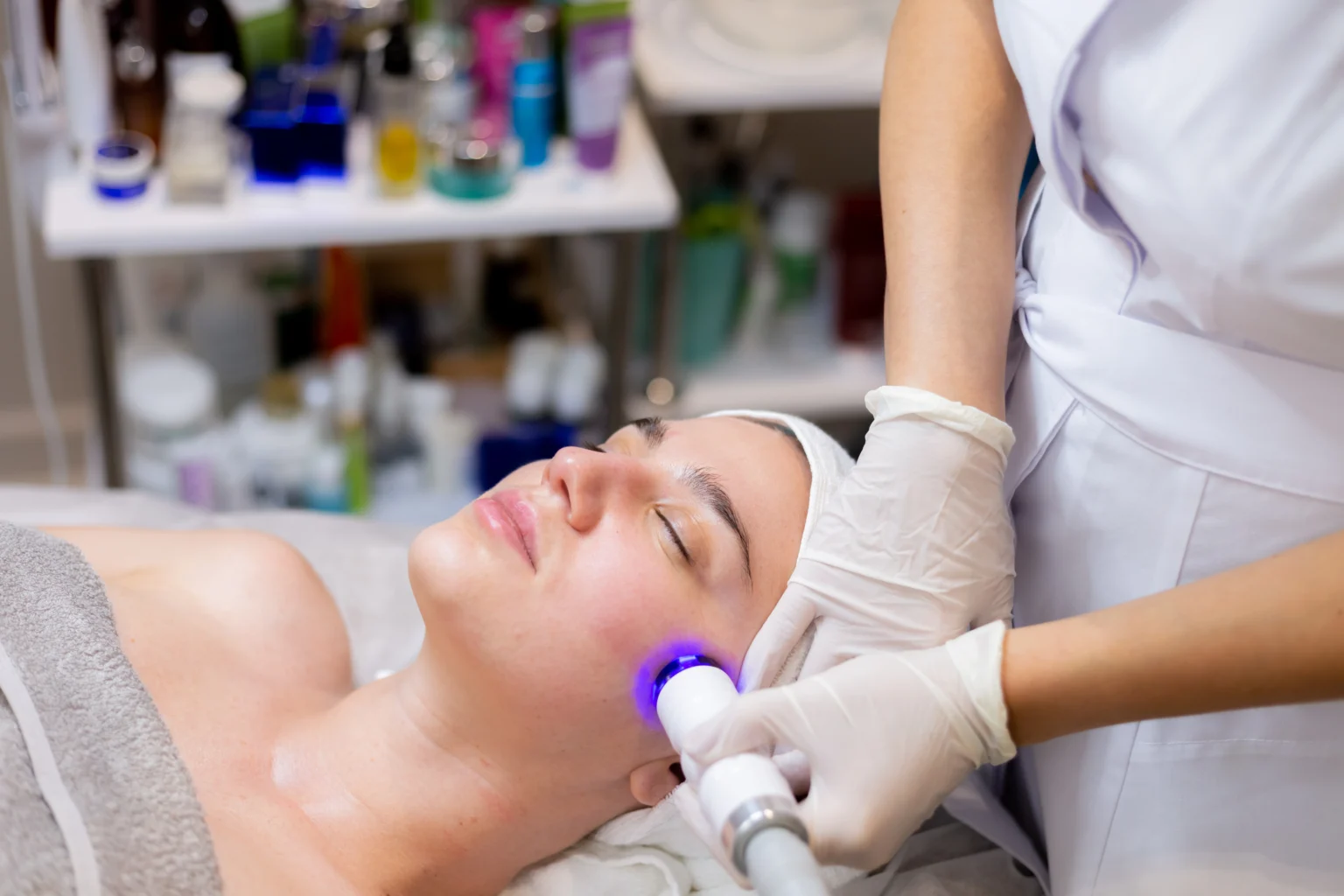
The cosmetic industry has evolved dramatically over the past decade, and technology is at the heart of this transformation. Modern cosmetic surgery is no longer just about invasive procedures—it’s about precision, safety, customization, and natural-looking results delivered through advanced tools and techniques. From AI-powered skin analysis to non-surgical innovations, technology has made aesthetic care more effective and accessible than ever before.
1. Advanced Imaging & AI-Based Skin Analysis
One of the biggest breakthroughs in cosmetic care is AI-driven skin and hair analysis.
These systems can:
- Detect early signs of aging
- Identify pigmentation, texture issues, and sun damage
- Measure pore size, hydration, and elasticity
- Predict treatment outcomes
By using high-resolution imaging, clinics can design highly personalized treatment plans, ensuring better long-term results and higher patient satisfaction.
2. Non-Surgical Devices for Lifting & Tightening
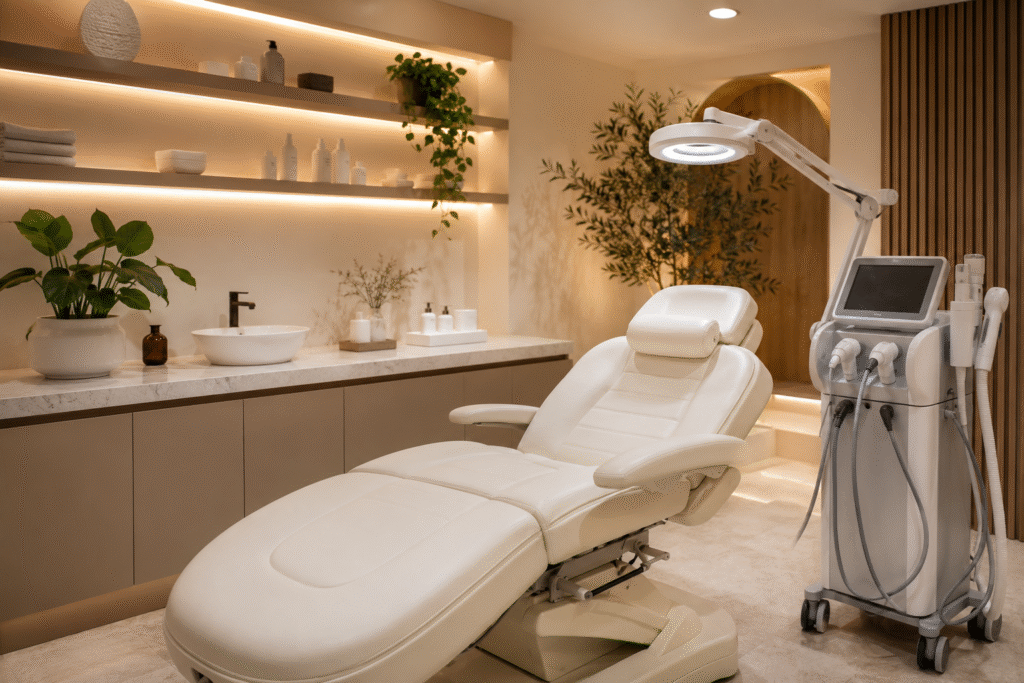
Technologies like Radiofrequency (RF), Ultrasound (HIFU), and Laser Tightening have revolutionized facial rejuvenation.
They help:
- Lift sagging skin
- Improve elasticity
- Stimulate collagen production
- Reduce the appearance of fine lines
These treatments offer a natural-looking lift without the downtime and risks associated with traditional facelifts.
3. Laser Innovations for Skin Rejuvenation
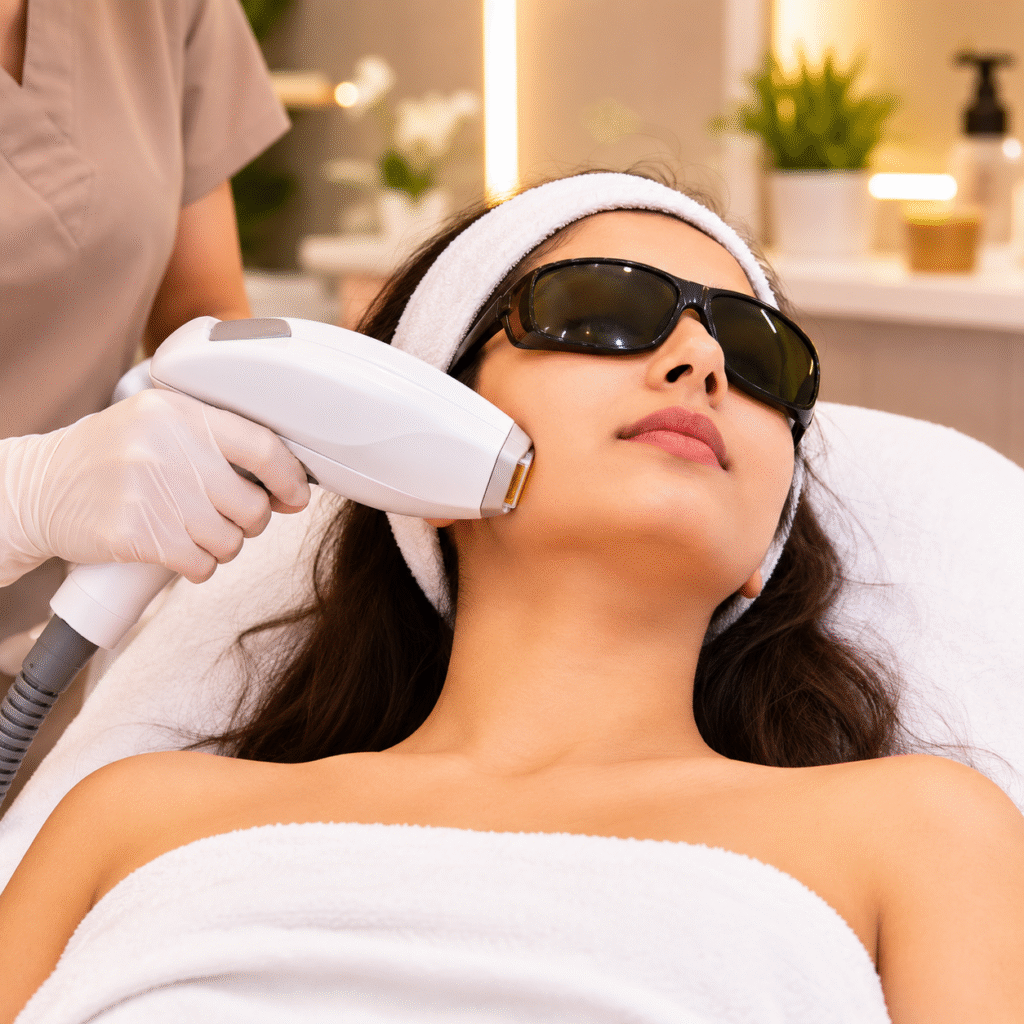
Modern laser platforms provide precise, safe solutions for multiple skin concerns.
They can treat:
- Pigmentation
- Acne scars
- Uneven skin tone
- Textural irregularities
Fractional lasers, Q-switch lasers, and CO₂ resurfacing tools offer faster healing and much more controlled outcomes compared to earlier systems.
4. PRP & Regenerative Therapies
Regenerative aesthetic medicine has grown significantly through technological advancements.
PRP (Platelet-Rich Plasma) and PRF (Platelet-Rich Fibrin) treatments use:
- High-speed centrifuges
- Advanced extraction methods
- Precision microneedling devices
These technologies enhance skin glow, improve texture, and accelerate hair regrowth using the body’s natural healing power.
5. 3D Facial Mapping for Cosmetic Precision
3D mapping tools allow surgeons and aesthetic practitioners to visualize the face from every angle.
This helps to:
- Plan injectables like Botox & fillers with precision
- Predict symmetry outcomes
- Create more balanced facial contours
- Minimize overcorrection
Patients can even preview potential results before undergoing treatment, making the process more transparent and reassuring.
6. Minimally Invasive Tools for Better Comfort
Modern cosmetic devices focus heavily on comfort and safety.
Newer tools offer:
- Shorter treatment time
- Reduced swelling & bruising
- Faster healing
- More consistent results
This shift has encouraged many people to choose aesthetic treatments who previously hesitated due to fear of pain or downtime.
How Technology is Shaping the Future of Cosmetic Care
Technology continues to push the boundaries of what cosmetic treatments can achieve. With ongoing advancements in AI, regenerative medicine, robotics, and laser engineering, the future promises:
- More personalized treatments
- Shorter recovery periods
- Even more natural-looking results
- Higher precision and safety
For both practitioners and clients, technological innovation has made aesthetic care more efficient, reliable, and transformative.
Final Thoughts
Modern cosmetic surgery is no longer defined by surgical procedures alone. Technology has introduced a new era of personalization, safety, and effectiveness—helping individuals enhance their natural beauty with confidence. Whether it’s skin rejuvenation, facial contouring, or hair restoration, advanced tools ensure results that are refined, natural, and long-lasting.